
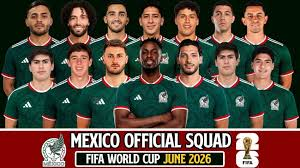
The Mexico National Football Team is one of the most successful and popular soccer teams in the world. Known as El Tri because of the three colors of the Mexican flag (green, white, and red), Mexico has built a rich football tradition that spans more than a century. The team has consistently been among the strongest nations in North America and has earned respect on the global stage through its passionate style of play, talented players, and loyal fan base.
From historic World Cup appearances to regional dominance in CONCACAF competitions, the Mexico National Football Team continues to be a major force in international soccer. This article explores the team’s history, achievements, legendary players, memorable matches, playing style, fan culture, and future prospects.
Early History of Mexican Football
Football was introduced to Mexico in the late 19th century by British miners and workers. The sport quickly gained popularity across the country, especially in cities such as Mexico City, Guadalajara, and Monterrey.
Mexico’s national team played its first official international matches in the early 1920s. The team participated in various regional tournaments and steadily developed its reputation within North America.
When the first FIFA World Cup was held in 1930, Mexico was one of the participating nations. Although the team struggled in its early World Cup appearances, these experiences helped build a foundation for future success.
The Rise of El Tri
During the 1950s and 1960s, Mexico began to improve significantly. Domestic football grew stronger, youth development improved, and more professional clubs emerged.
The country’s football infrastructure expanded rapidly, allowing talented players to receive better training and competitive opportunities. As a result, Mexico started becoming a consistent contender in regional competitions.
The team’s rise coincided with increased investment in stadiums, coaching, and player development programs. These efforts would eventually help Mexico become one of the strongest football nations in the Americas.
Hosting the FIFA World Cup
Mexico holds a special place in football history because it became the first country to host the FIFA World Cup twice.
FIFA World Cup 1970
The 1970 FIFA World Cup was hosted in Mexico and is often regarded as one of the greatest World Cups ever. Legendary players such as Pelé showcased their talents during the tournament.
Mexico reached the quarterfinals, a major achievement at the time. The tournament also introduced millions of fans worldwide to Mexico’s passion for football.
FIFA World Cup 1986
Mexico hosted the World Cup again in 1986 after another nation withdrew due to organizational difficulties.
The tournament featured memorable moments including the famous performances of Diego Maradona. Mexico once again reached the quarterfinals, matching its best World Cup finish.
Hosting two successful World Cups significantly elevated Mexico’s international football reputation.
World Cup Performances
Mexico has been one of the most consistent World Cup participants in football history.
One of the team’s most remarkable achievements is qualifying for numerous consecutive FIFA World Cups. Few nations can match Mexico’s consistency on the global stage.
The team is particularly known for regularly advancing from the group stage. Although reaching the quarterfinals has often proven difficult, Mexico has repeatedly demonstrated its ability to compete with the world’s best teams.
Some of Mexico’s strongest World Cup performances include:
- Quarterfinals in 1970
- Quarterfinals in 1986
- Multiple Round of 16 appearances
- Consistent qualification campaigns
This record highlights Mexico’s status as a football powerhouse within its region.
Success in CONCACAF Competitions
Mexico has dominated regional competitions organized by the CONCACAF.
Gold Cup Success
The team’s most impressive achievements have come in the CONCACAF Gold Cup.
Mexico has won the tournament multiple times, more than most other nations in the region. Their success reflects strong player development, tactical quality, and football culture.
Throughout Gold Cup history, Mexico has consistently reached the later stages of the competition and produced memorable victories.
CONCACAF Nations League
Mexico has also become a strong competitor in newer regional tournaments such as the Nations League.
These competitions provide valuable opportunities for the team to test itself against rivals while preparing for major international tournaments.
Legendary Mexican Players
The history of Mexican football includes many exceptional players who have represented their country with pride.
Hugo Sánchez
Hugo Sánchez is widely regarded as one of the greatest Mexican footballers of all time.
Known for his spectacular goals and athletic ability, Sánchez achieved tremendous success in Europe. His performances inspired generations of Mexican players to pursue international careers.
Cuauhtémoc Blanco
Cuauhtémoc Blanco became famous for his creativity, leadership, and technical skills.
He remains one of the most beloved figures in Mexican football history.
Rafael Márquez
Rafael Márquez enjoyed a remarkable international career and became one of the country’s most respected defenders.
His leadership helped guide Mexico through multiple World Cup campaigns.
Javier Hernández
Javier Hernández became one of Mexico’s most prolific goal scorers.
Popularly known as Chicharito, he achieved success in Europe and remains one of the country’s most recognizable football stars.
Modern Stars
Mexico continues to produce talented footballers who compete at the highest levels.
Hirving Lozano
Hirving Lozano is known for his speed, attacking ability, and goal-scoring threat.
Edson Álvarez
Edson Álvarez has become a key figure in the national team thanks to his defensive intelligence and versatility.
Santiago Giménez
Santiago Giménez represents the next generation of Mexican football talent and is expected to play a major role in future tournaments.
Playing Style
Mexico is known for an attractive and technical style of football.
Key characteristics include:
- Quick passing
- High energy
- Creative attacking movement
- Strong midfield play
- Technical ball control
Mexican teams often emphasize possession and movement rather than relying solely on physical strength.
This style has earned admiration from football fans worldwide.
Famous Rivalries
Mexico vs United States
One of the most intense rivalries in international football is between Mexico and the United States Men’s National Soccer Team.
Matches between the two nations attract massive audiences and generate tremendous excitement.
Both teams have competed fiercely for regional supremacy for decades.
Mexico vs Costa Rica
Mexico has also developed a strong rivalry with the Costa Rica National Football Team.
These matches are often highly competitive and important in qualification campaigns.
Passionate Fan Base
Mexican football supporters are among the most passionate in the world.
Whether playing at home or abroad, Mexico often enjoys strong crowd support.
Fans proudly display national colors, sing throughout matches, and create an electric atmosphere in stadiums.
The team’s supporters can be found across:
- Mexico
- United States
- Canada
- Europe
- Latin America
This global fan base contributes significantly to the team’s popularity.
Home Stadium
Mexico frequently plays home matches at Estadio Azteca.
The stadium is one of the most famous football venues in history.
Located in Mexico City, it has hosted:
- Two FIFA World Cup finals
- Numerous international matches
- Club competitions
- Historic football moments
The high altitude of Mexico City can provide a unique challenge for visiting teams.
Youth Development
Mexico invests heavily in youth development.
The country’s youth national teams have achieved impressive results in international competitions.
Strong academies help identify and develop talented players from an early age.
This system continues to supply future stars for both domestic clubs and the national team.
The Road to the 2026 FIFA World Cup
The upcoming 2026 FIFA World Cup represents a major opportunity for Mexico.
The tournament will be jointly hosted by:
- Mexico
- United States
- Canada
Mexico will make history by becoming the first nation to host World Cup matches in three separate tournaments.
Fans hope the home advantage can help the team achieve one of its best-ever World Cup performances.
Challenges Ahead
Despite its success, Mexico faces several challenges:
- Competing against elite European nations
- Developing more players in top international leagues
- Improving consistency in major tournaments
- Advancing beyond the Round of 16 at the World Cup
Addressing these challenges will be essential for future growth.
Why Mexico Matters in World Football
Mexico’s importance extends beyond trophies and statistics.
The country contributes:
- Massive television audiences
- Passionate supporters
- Elite players
- Historic stadiums
- Strong football culture
Few nations can match Mexico’s influence across North America and the global football community.
Conclusion
The Mexico National Football Team remains one of the most respected and successful teams in international soccer. With a rich history, passionate supporters, legendary players, and a bright future, El Tri continues to inspire millions of fans around the world.
As Mexico prepares for the 2026 FIFA World Cup, excitement continues to grow. With talented young players emerging and strong football traditions supporting the program, the future looks promising.
Whether competing in the Gold Cup, World Cup qualifiers, or international friendlies, Mexico consistently demonstrates why it remains one of football’s most iconic national teams. For generations of fans, El Tri represents pride, passion, and the enduring spirit of Mexican football.
→ World Cup 2026 opening day best bets
→ Mexico vs South Africa prediction
→ World Cup 2026 schedule
Leave a Reply